


 中文简体
 English
 عربى
The Complete Guide to WPC Door Jambs: Durability, Installation, and Care
When selecting materials for your door frames, the jamb is a critical component that dictates longevity, stability, and aesthetics. While traditional wood has been the go-to for decades, modern composites offer compelling alternatives. Among these, WPC Door Jamb solutions are gaining significant traction. This comprehensive guide delves deep into everything you need to know about Wood-Plastic Composite door jambs, from their fundamental composition to detailed installation and maintenance protocols.
What is a WPC Door Jamb?
A WPC Door Jamb is the vertical part of the door frame, manufactured from Wood-Plastic Composite. This innovative material is engineered to combine the best properties of its constituent elements, resulting in a product that is both robust and versatile. Unlike a purely wooden jamb, it is designed to withstand the common challenges that lead to frame failure.
Understanding the Composition of WPC
WPC is a hybrid material made primarily from recycled wood fibers or flour and thermoplastics like polyethylene or polyvinyl chloride. This blend is heated and extruded into profiles, creating a dense, homogeneous product. The unique composition grants it characteristics that pure wood or plastic alone cannot achieve.
- Wood Fibers: Provide structural integrity and a natural wood-like appearance and texture.
- Thermoplastics: Act as a binding agent, imparting waterproof, rot-resistant, and insect-repellent properties.
- Additives: Chemical additives are included to enhance UV resistance, color stability, and overall durability against the elements.
Key Advantages and Disadvantages of WPC Door Jambs
Evaluating the WPC door jamb advantages and disadvantages is crucial for making an informed decision. This material offers a unique set of benefits with a few trade-offs to consider.
The Pros of Choosing WPC
The popularity of WPC jambs stems from their superior performance in several key areas, making them an excellent choice for both interior and exterior applications.
- Exceptional Moisture Resistance: They are highly resistant to water absorption, preventing swelling, warping, and rot, which is a common issue with wood.
- Low Maintenance: Unlike wood, they do not require regular painting or sealing. A simple wipe-down with a damp cloth is usually sufficient for cleaning.
- Durability and Longevity: Resistant to termites, insects, and fungal decay, ensuring a much longer service life compared to untreated wood.
- Dimensional Stability: WPC maintains its shape and size despite fluctuations in temperature and humidity, reducing the risk of doors sticking or failing to latch.
The Cons to Consider
While highly durable, it's important to be aware of the potential limitations of WPC to set realistic expectations.
- Cost: The initial investment for a WPC jamb can be higher than that of a standard pine or timber jamb.
- Weight: WPC profiles can be heavier than their wooden counterparts, which may require additional handling considerations during how to install a WPC door frame.
- Aesthetic Limitations: Although it mimics wood grain, it may not fully replicate the authentic look and feel of high-end hardwood for purists.
WPC vs. Wood: A Detailed Door Jamb Material Comparison
The debate between WPC vs wood door jamb is central for many homeowners and builders. The right choice depends on the specific requirements of the project, including budget, location, and desired maintenance level. The table below provides a clear, side-by-side comparison.
| Feature | WPC Door Jamb | Wood Door Jamb |
| Moisture Resistance | Excellent; does not rot or warp. | Poor to Fair; prone to swelling and rot without treatment. |
| Maintenance | Very Low; no painting or sealing required. | High; requires periodic painting, staining, and sealing. |
| Durability | High; resistant to insects and decay. | Variable; susceptible to termites and rot unless treated. |
| Cost | Higher initial cost. | Lower initial cost, but higher long-term maintenance. |
| Environmental Impact | Uses recycled materials; not biodegradable. | Renewable resource; but harvesting can be unsustainable. |
How to Install a WPC Door Frame: A Step-by-Step Guide
Knowing how to install a WPC door frame is a manageable task for a seasoned DIYer. The process is similar to installing a wooden frame but with a few key considerations due to the material's properties.
Tools and Materials You Will Need
Before beginning, gather all necessary tools and materials to ensure a smooth installation process.
- WPC Door Jamb Set (including two jambs and a head jamb)
- Tape Measure, Level, and Pencil
- Circular Saw or Handsaw
- Power Drill and Screws (preferably corrosion-resistant)
- Shims
- Safety Glasses and Gloves
Pre-Installation Preparation
Proper preparation is the foundation of a successful installation. This phase involves verifying dimensions and preparing the rough opening.
- Accurately measure the rough opening to ensure it is square and sized correctly for the WPC door jamb size and specifications provided by the manufacturer.
- Check the door slab to confirm it fits within the jamb assembly with appropriate clearance for hinges and the door sweep.
- Dry-fit the jamb pieces in the opening to identify any potential issues before final fastening.
The Installation Process
Follow this systematic process to ensure your door frame is installed plumb, level, and square.
- Assemble the three parts of the door jamb (two side jambs and the head jamb) according to the manufacturer's instructions, typically using screws or a interlocking system.
- Place the assembled frame into the rough opening. Use a level to plumb the hinge jamb perfectly vertical and ensure the head jamb is perfectly horizontal.
- Insert shims between the jamb and the wall studs at the hinge and lock locations, as well as periodically along the height, to secure the frame in its perfect position.
- Secure the jamb by drilling screws through the jamb and shims into the wall studs. Be careful not to over-tighten, which can warp the frame.
- Install the door hinges, hang the door, and check for smooth operation. Finally, install the door casing or trim to finish the appearance.
Maintaining Your WPC Door Jamb: A Long-Term Care Guide
A significant selling point of WPC is its ease of upkeep. Following a simple maintenance guide for WPC door jambs will ensure your frames look and function like new for years to come.
Regular care for WPC jambs is straightforward and requires no specialized chemicals or tools. The goal is to prevent the buildup of dirt and grime that could potentially stain the material over time.
- Regular Cleaning: Wipe down the jamb periodically with a soft cloth dampened with a mild soap and water solution. Avoid abrasive cleaners or scouring pads.
- Stain Removal: For tougher stains, use a non-abrasive household cleaner. Always test any cleaner on a small, inconspicuous area first.
- Inspection: As part of your seasonal home maintenance, inspect the jamb for any signs of physical damage or loose screws, especially after extreme weather events.
- Lubrication: Keep the hinges and latch mechanism lightly lubricated to ensure smooth door operation and prevent undue stress on the jamb.
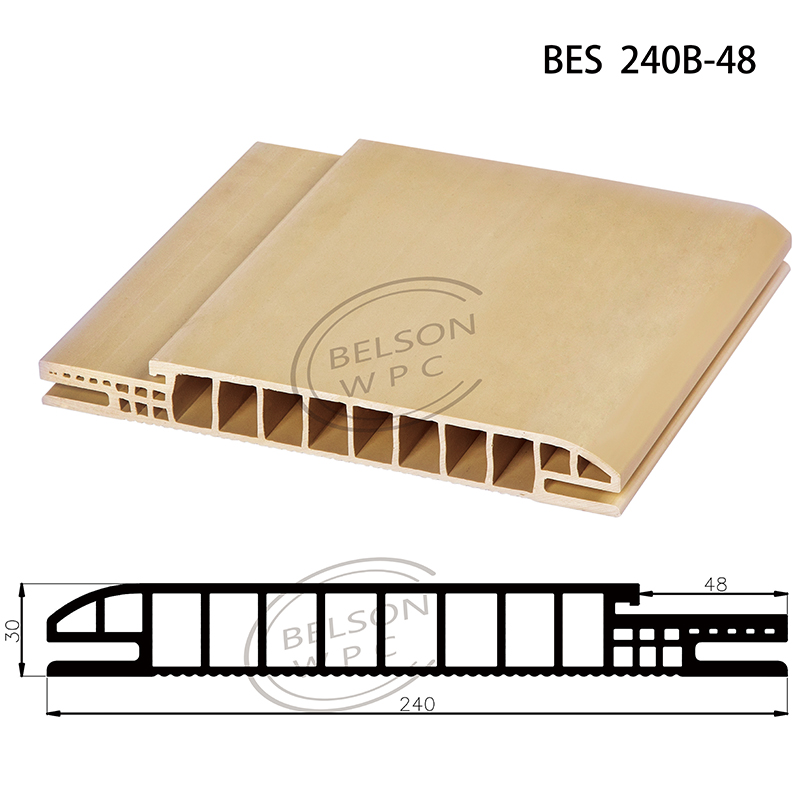
Belson WPC BES 240B-48 customized length width 24 cm thickness 30 mm arc shaped WPC door frame
FAQ
Can a WPC door jamb be painted?
While WPC door jambs come in a variety of colors and wood-grain finishes and are designed not to need painting, they can be painted if a color change is desired. However, it is not generally recommended. The plastic component in WPC may not hold paint as well as porous wood, leading to potential chipping or peeling over time. If you must paint, use a high-quality, 100% acrylic latex paint and ensure the surface is perfectly clean and lightly sanded to promote adhesion.
Are WPC door jambs suitable for exterior doors?
Yes, absolutely. In fact, their resistance to moisture, rot, and insects makes WPC Door Jamb products an excellent choice for exterior doors. They are engineered to withstand harsh weather conditions, including rain, snow, and UV exposure, without deteriorating. This makes them often superior to wood for external applications where weatherproofing is a primary concern.
What is the standard WPC door jamb size and thickness?
Standard WPC door jamb size and specifications often align with common wooden jamb dimensions for compatibility. The typical width for a interior jamb is 4-9/16 inches or 5-1/2 inches to accommodate standard wall thicknesses, while exterior jambs may be wider. The jamb thickness is usually around 3/4 inch. However, it is crucial to always check the manufacturer's specific specifications for the product you purchase, as dimensions can vary, and custom sizes are also available.
How does the cost of a WPC jamb compare to a steel jamb?
WPC jambs are generally positioned between wood and steel in terms of cost. They are typically more expensive than basic steel jambs but offer advantages in aesthetics and resistance to denting. Steel jambs are incredibly strong and secure but can be prone to rust if the finish is compromised and may transfer temperature more readily, potentially leading to condensation issues.
 previous post

 Weiba Road, Economic&Technological Development Zone, Shexian, Huangshan, Anhui, China

 +86-15715593070
 +86-0559-6522626



